
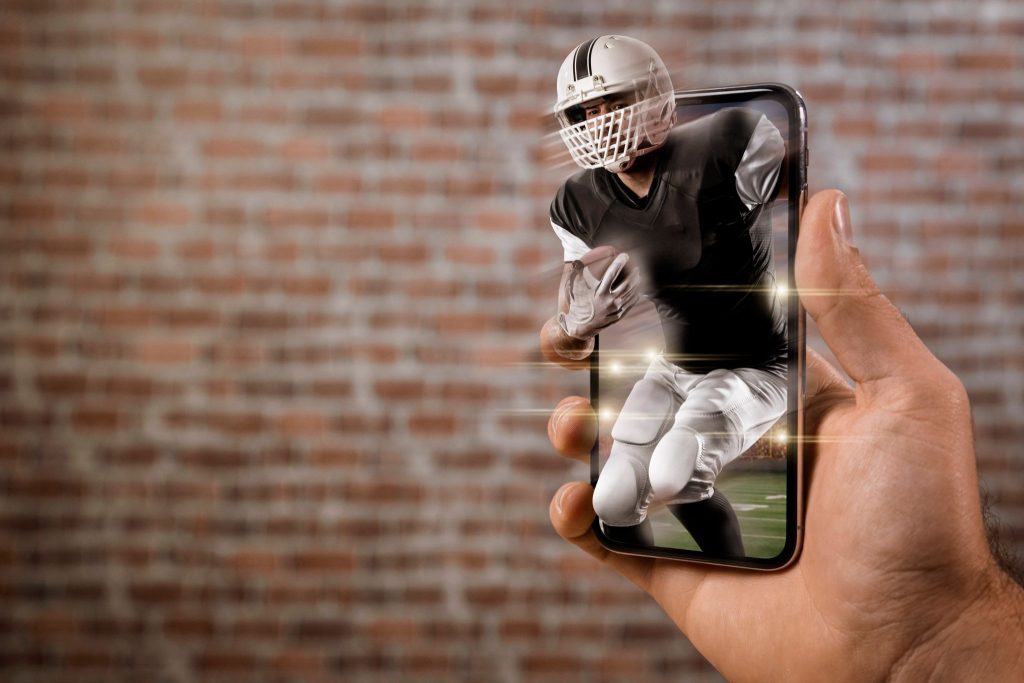
Not long ago, becoming a famous athlete depended almost entirely on performance. Talent, discipline, and results determined who rose to the top. Today, that equation has changed. Performance still matters, but visibility now plays an equally powerful role. Social media has introduced a new dimension where athletes are not just competitors. They are storytellers, influencers, and personal brands.
The rise of platforms like Instagram and TikTok has reshaped how athletes connect with audiences. A single viral moment can elevate an unknown player into global recognition. This shift raises an important question. Can social media influence who becomes a famous athlete? The answer is complex, layered, and deeply tied to how modern sports culture operates.
The Evolution of Athletic Fame in the Digital Era
Fame in sports used to follow a predictable path. Athletes performed well, gained recognition through traditional media, and gradually built their reputation. This process was controlled by journalists, broadcasters, and sports organizations.
Today, athletes have direct access to audiences. They no longer rely solely on media coverage to tell their story. Social media allows them to showcase their journey, personality, and daily life in real time. This shift has democratized fame, making it more accessible while also more competitive.
The definition of a famous athlete has expanded. It now includes not only those who win championships but also those who capture attention and build strong connections with fans.
Visibility: The New Currency of Sports Success
In the digital age, visibility is as valuable as performance. Athletes who understand how to present themselves online often gain an advantage.
From Local Talent to Global Recognition
Social media removes geographical barriers. A young athlete can gain international attention without playing in a major league. Viral content can reach millions within hours, creating opportunities that were once unimaginable.
Consistency in Online Presence
-
Regular posting to maintain audience engagement
-
Sharing training routines and behind-the-scenes moments
-
Interacting with fans to build loyalty
These practices help athletes stay relevant and visible in a crowded digital space.
Personal Branding: Beyond Athletic Performance
Modern athletes are more than competitors. They are brands. Social media plays a central role in shaping this identity.
Creating a Unique Identity
Athletes use platforms to express their personality, values, and lifestyle. This creates a deeper connection with fans, making them more relatable and memorable.
Monetization and Sponsorship Opportunities
Brands are increasingly interested in athletes with strong online followings. A well-developed personal brand can lead to endorsements, collaborations, and financial growth.
The Power of Storytelling in Athlete Growth
Storytelling has become a key element in building fame. Social media allows athletes to share their journey in a way that feels authentic and engaging.
Sharing Struggles and Triumphs
Audiences connect with real stories. When athletes share challenges, setbacks, and victories, they create emotional bonds with their followers.
Building Long-Term Fan Relationships
-
Consistent storytelling creates familiarity
-
Authentic content builds trust
-
Emotional connection drives loyalty
These factors contribute to sustained popularity beyond performance alone.
Case Studies: Athletes Who Leveraged Social Media
Some athletes have mastered the art of combining performance with digital presence.
Cristiano Ronaldo is one of the most followed individuals on social media. His online presence amplifies his achievements and extends his influence beyond football. Similarly, Serena Williams has used social platforms to share her journey, advocate for important causes, and connect with fans worldwide.
These examples highlight how social media can enhance an athlete’s career, turning success into global recognition.
The Role of Algorithms in Shaping Fame
Social media platforms rely on algorithms to determine what content is seen. These algorithms influence which athletes gain visibility.
Content that generates high engagement is more likely to be promoted. This creates a cycle where popular athletes become even more visible.
However, it also means that talent alone is not enough. Understanding how to create engaging content becomes an important skill.
Challenges of Social Media in Sports Careers
While social media offers many opportunities, it also presents challenges.
The pressure to maintain an online presence can be overwhelming. Athletes must balance training, competition, and content creation.
Negative feedback and public scrutiny are also significant concerns. A single mistake can spread quickly, affecting reputation and mental well-being.
Expert Insight: Balancing Performance and Presence
Experts in sports management emphasize that social media should complement, not replace, athletic performance. Talent remains the foundation of success.
One key recommendation is to maintain authenticity. Audiences can easily detect forced or inauthentic content. Genuine communication builds stronger connections.
Another important insight is to set boundaries. Athletes should manage their time effectively, ensuring that social media does not interfere with training and recovery.
The Influence on Young and Emerging Athletes
Social media has a profound impact on aspiring athletes. It shapes their goals, expectations, and approach to success.
Opportunities for Early Exposure
Young athletes can showcase their skills online, attracting attention from coaches, scouts, and sponsors. This early exposure can accelerate their career growth.
Risks of Chasing Popularity Over Skill
-
Focusing too much on content rather than training
-
Comparing oneself to others online
-
Prioritizing fame over long-term development
Balancing ambition with discipline is essential for sustainable success.
Redefining What It Means to Be a Famous Athlete
The concept of a famous athlete is evolving. It is no longer limited to trophies and records. It includes influence, reach, and connection.
Athletes today are expected to engage with fans, represent brands, and contribute to cultural conversations. This expanded role requires new skills and perspectives.
Social media has not replaced traditional pathways to fame. Instead, it has added a new layer that enhances and accelerates recognition.
The Future of Fame in Sports
As technology continues to evolve, the relationship between sports and social media will become even stronger.
New platforms, formats, and tools will create more opportunities for athletes to connect with audiences. Virtual reality, live streaming, and interactive content are likely to shape the next phase of digital engagement.
At the same time, the core principles of sports will remain unchanged. Dedication, hard work, and talent will always be essential.
FAQs
1. Can social media make someone a famous athlete without talent?
Social media can increase visibility, but long-term success still depends on skill and performance. Without talent, fame is unlikely to be sustained.
2. Why is personal branding important for athletes?
Personal branding helps athletes connect with fans, attract sponsorships, and build a lasting reputation beyond their sports achievements.
3. How can young athletes use social media effectively?
They should focus on showcasing their skills, sharing authentic content, and maintaining a balance between training and online activity for long-term success.